
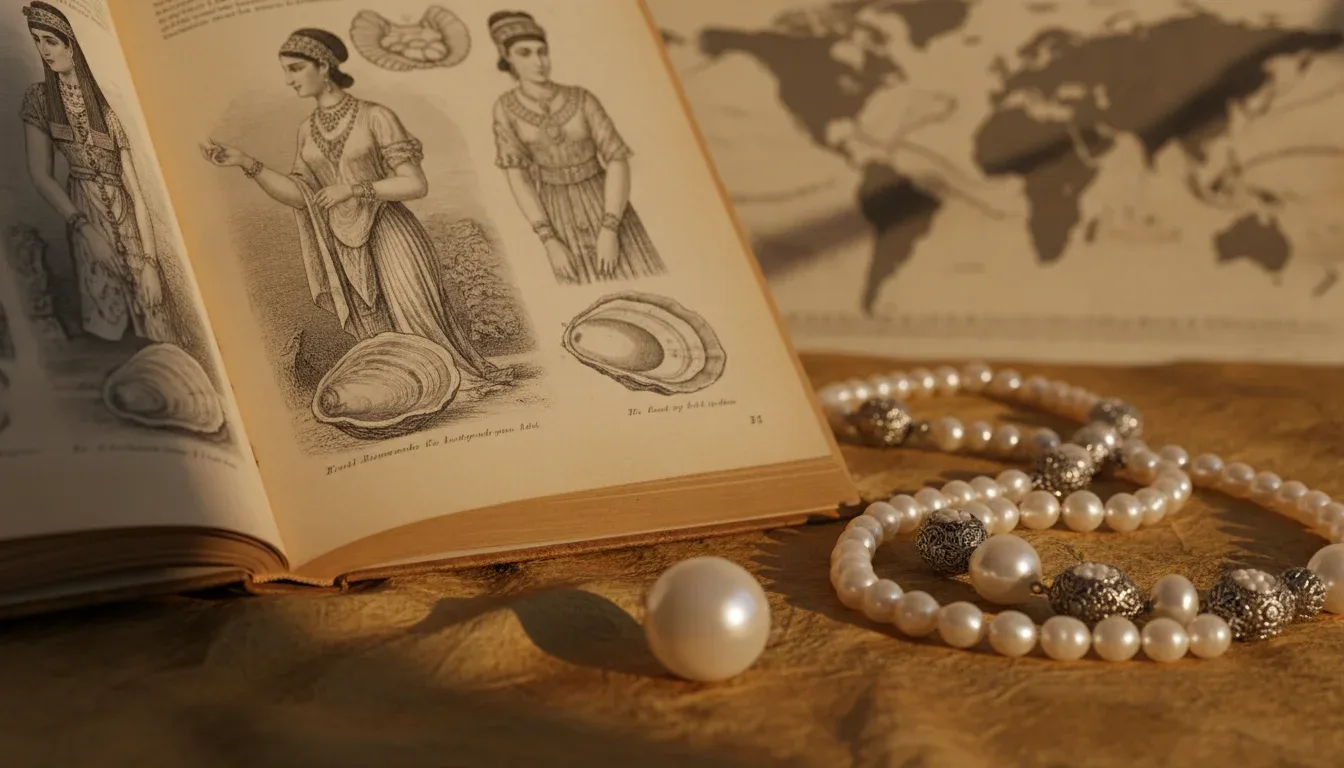
The story of pearls is long and fascinating. It combines human desire with the beauty of nature. From the ancient Chinese pearls in royal courts to today’s fashion, pearls have always meant status and elegance.
The history of pearls shows how they went from rare ocean finds to something everyone can have. This journey shows how Chinese pearl traditions helped the world appreciate these natural wonders.
Today, pearls are a key part of fine jewellery in Canada. Whether it’s an heirloom or a new piece, taking care of them is crucial to keep their shine.
For expert help, visit A Edwards & Co at 3279 Bayview Avenue, North of Finch, Toronto. They offer professional cleaning, repairs, and can lend against your collection. Call them at (416) 250-0250 to see how they can help with your precious items.
Key Takeaways
- Pearls have held significant cultural value for thousands of years across various civilizations.
- The evolution of these gems moved from rare natural finds to widely available cultured varieties.
- Proper maintenance and professional cleaning are vital to preserving the lustre of your pieces.
- A Edwards & Co provides specialized services including repairs and lending options in Toronto.
- Understanding the background of your accessories adds a deeper layer of appreciation to your collection.
Pearls, Fine Jewellery, Chinese Traditions Through the Ages
Pearls were more than just jewels in ancient societies. They symbolized power and purity. For thousands of years, they have shaped fashion and social status worldwide.
Ancient Pearls in China and Their Cultural Meaning
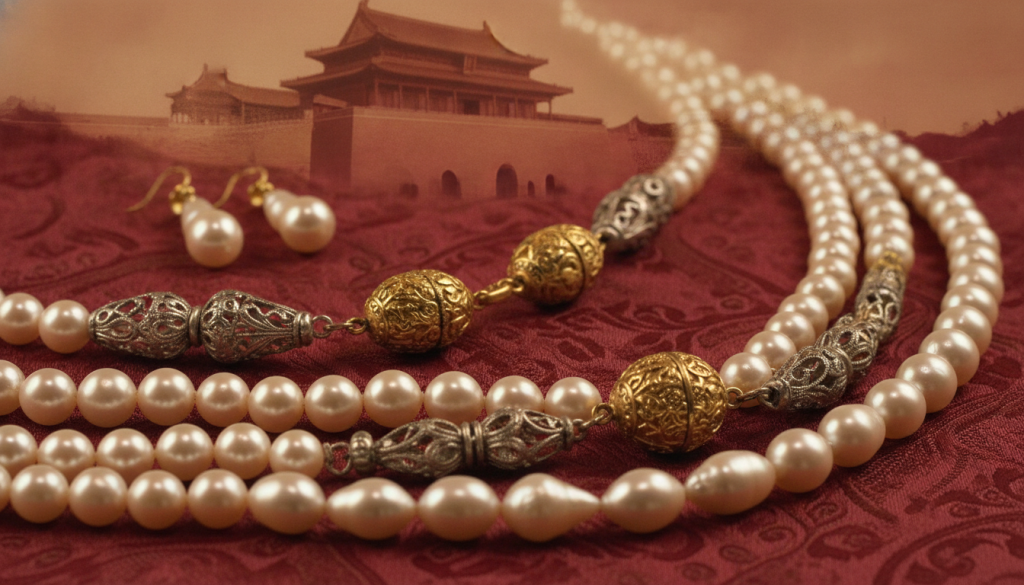
In ancient China, pearls held deep spiritual and social significance. They were believed to be dragon tears or moonlight. This made them sacred objects.
Royal Gifts, Status and Chinese Traditions
Pearls were rare and given as royal pearl gifts. They showed imperial favour. High officials and royalty wore them to show their power and divine connection. Pearls became a symbol of luxury.
Pearls in Ancient Rome, Greece and the Middle East
In Rome and Greece, natural pearls were symbols of extreme wealth. They showed a person’s status.
Adornment, Wealth and Symbolism
The pearl symbolism in these places was about rarity. Rich people wore pearl necklaces to show their power. This desire for beauty led to extensive trade, making pearls a global symbol of prestige.
Pearls in European Courts and Religious Jewellery
Trade brought pearls to European society. They became key in ancient pearl jewellery for monarchs and religious leaders.
How Pearls Became Symbols of Purity and Prestige
In the medieval and Renaissance times, pearls symbolized virtue and spiritual clarity. They were key in religious art, showing the soul’s purity. Today, visit A Edwards & Co at 3279 Bayview Avenue, North of Finch, Toronto. They offer cleaning and lending options for your natural pearls at (416) 250-0250.
From Natural Treasures to Cultured Pearl Jewellery
For centuries, finding natural pearls was a dangerous and unpredictable task. Divers risked their lives in deep waters, hoping to find a single mollusc with a high-quality gem. This made pearls rare and only the wealthiest could wear them.
The Risks and Rarity of Finding Natural Pearls
Why Natural Pearls Became Luxury Collectables
Natural pearls were hard to find in matching sizes or shapes. This made them exclusive luxury collectables passed down through generations. Owning a strand of perfectly matched natural pearls showed immense power and prestige.
Kokichi Mikimoto and the Development of Cultured Pearls
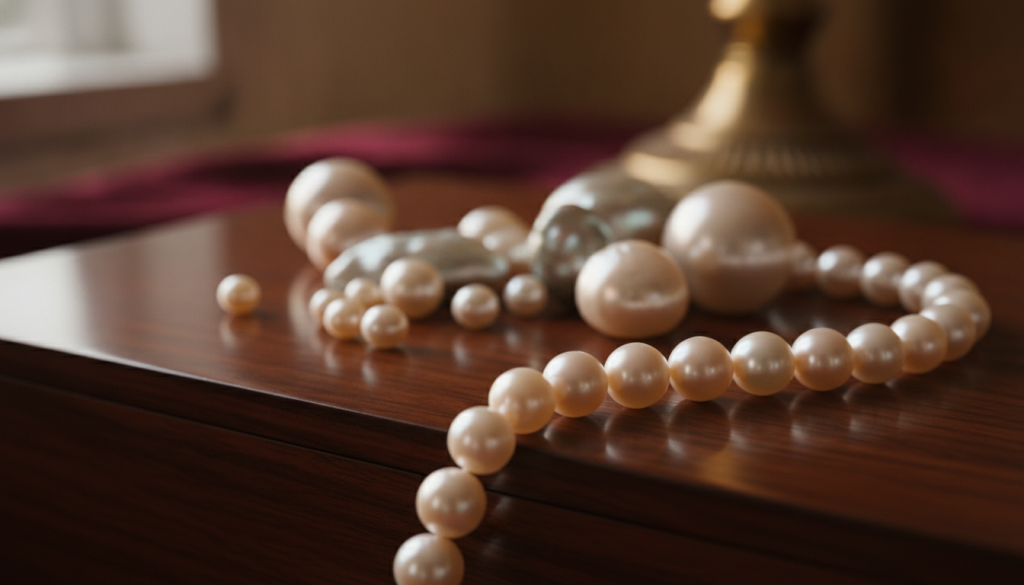
The jewellery market changed at the turn of the 20th century. Kokichi Mikimoto pioneered cultured pearls by introducing a nucleus into the oyster. His work made these gems more consistent and reliable.
How Cultivation Changed the Jewellery Industry
The introduction of cultured pearls made high-quality jewellery more accessible. Producers could control the growth environment for better lustre and shape. This innovation made pearl accessories more affordable for everyone.
Freshwater, Akoya, Tahitian and South Sea Pearls
Distinctive Colours, Origins and Characteristics
Today, we have many pearl types, each unique. Akoya pearls are known for their brilliant lustre and classic tones, often from Japan. Tahitian pearls have exotic dark hues, from charcoal to peacock green.
Freshwater pearls come in many shapes and are affordable. South Sea pearls are prized for their large size and satin-like finish. Each type offers a different aesthetic for various tastes and styles.
How Pearls Became Modern Fine Jewellery Staples
Necklaces, Earrings, Rings and Contemporary Designs
Modern designers use pearls in versatile pieces like minimalist rings and elegant earrings. Whether buying new or maintaining your collection, professional care is key. A Edwards & Co in Toronto offers expert services to keep your jewellery looking great.
Located at 3279 Bayview Avenue, North of Finch, Toronto, Ontario, M2K 1G4, the shop provides professional cleaning and repair services. They also offer professional lending options against your fine jewellery. Call (416) 250-0250 to discuss your needs with their friendly team.
Conclusion
Pearls have changed from rare treasures to something everyone can enjoy. They show how beauty and craftsmanship have evolved over time. Today, people love the unique shine of South Sea pearls and the classic look of cultured ones.
When it comes to jewellery, pearl earrings and rings are timeless choices. Pearl necklaces mix old charm with new style. These pieces are not just beautiful but also carry deep meaning and history.
Keeping pearls in top shape is key to their lasting beauty. Experts in pearl care and repair make sure they stay bright. They handle each piece with care and skill.
A Edwards & Co offers loans against valuable pearls for those who need financial help. You can find them at 3279 Bayview Avenue, North of Finch, Toronto, Ontario, Canada M2K 1G4. Call (416) 250-0250 to learn more about their services. They’re ready to help you take care of or grow your pearl collection.